
PAUSE: What We Learned at Our Scam and Fraud Awareness Evening
Recognizing the warning signs. Protecting the people we love.
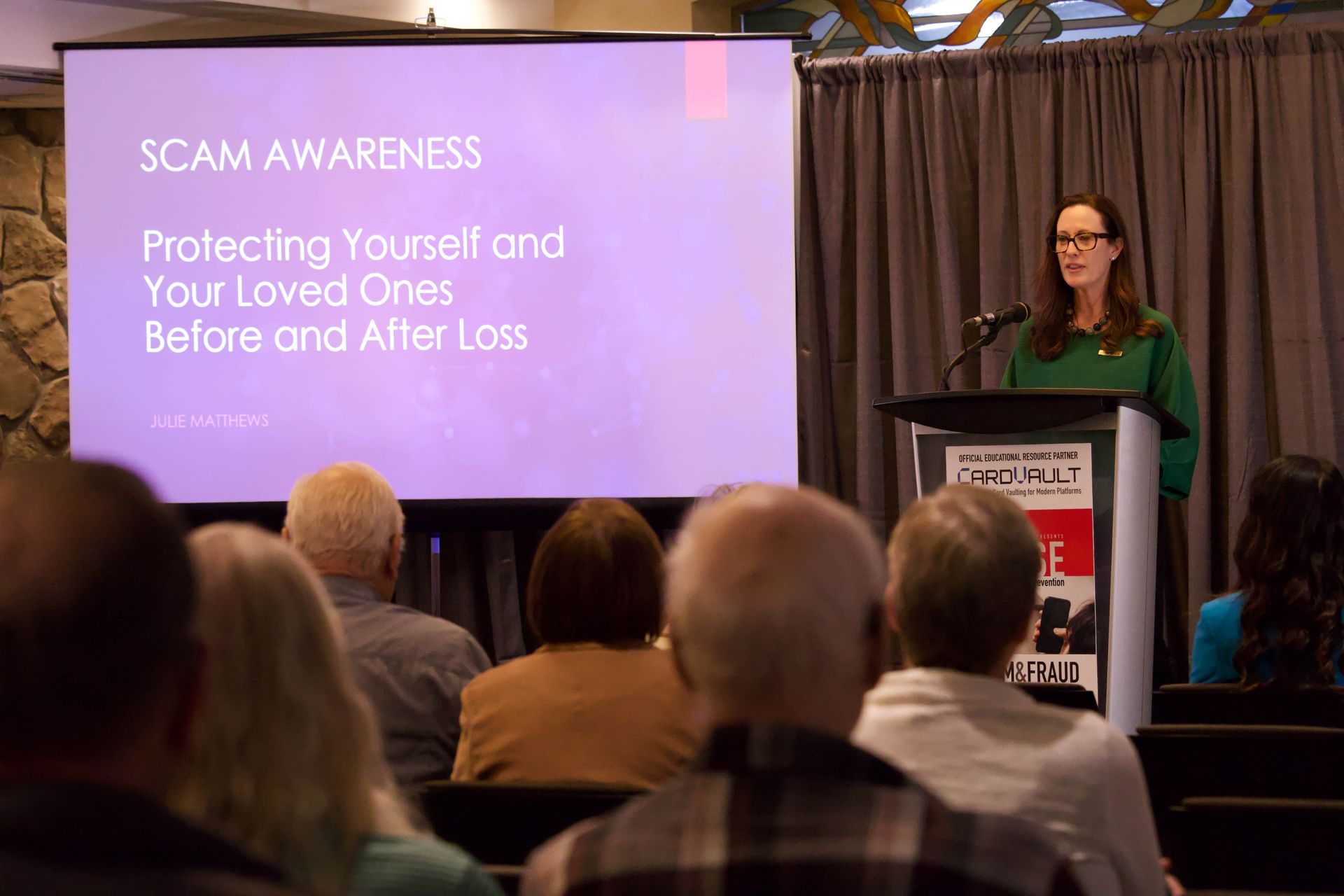
On October 21, a room full of guests gathered at Park Memorial for an evening presentation on scams and financial fraud.
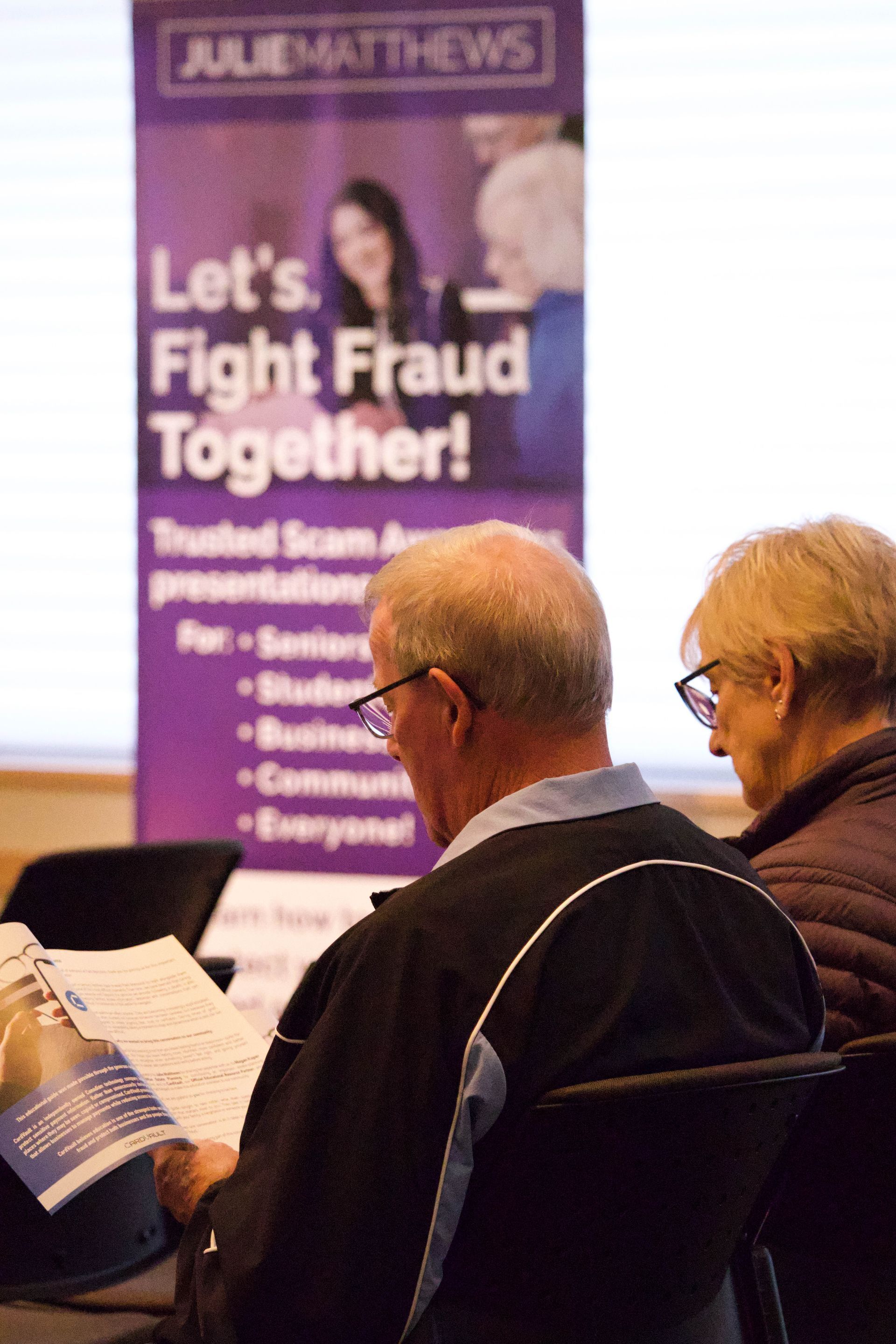
Julie Matthews, a fraud awareness educator, led the session,
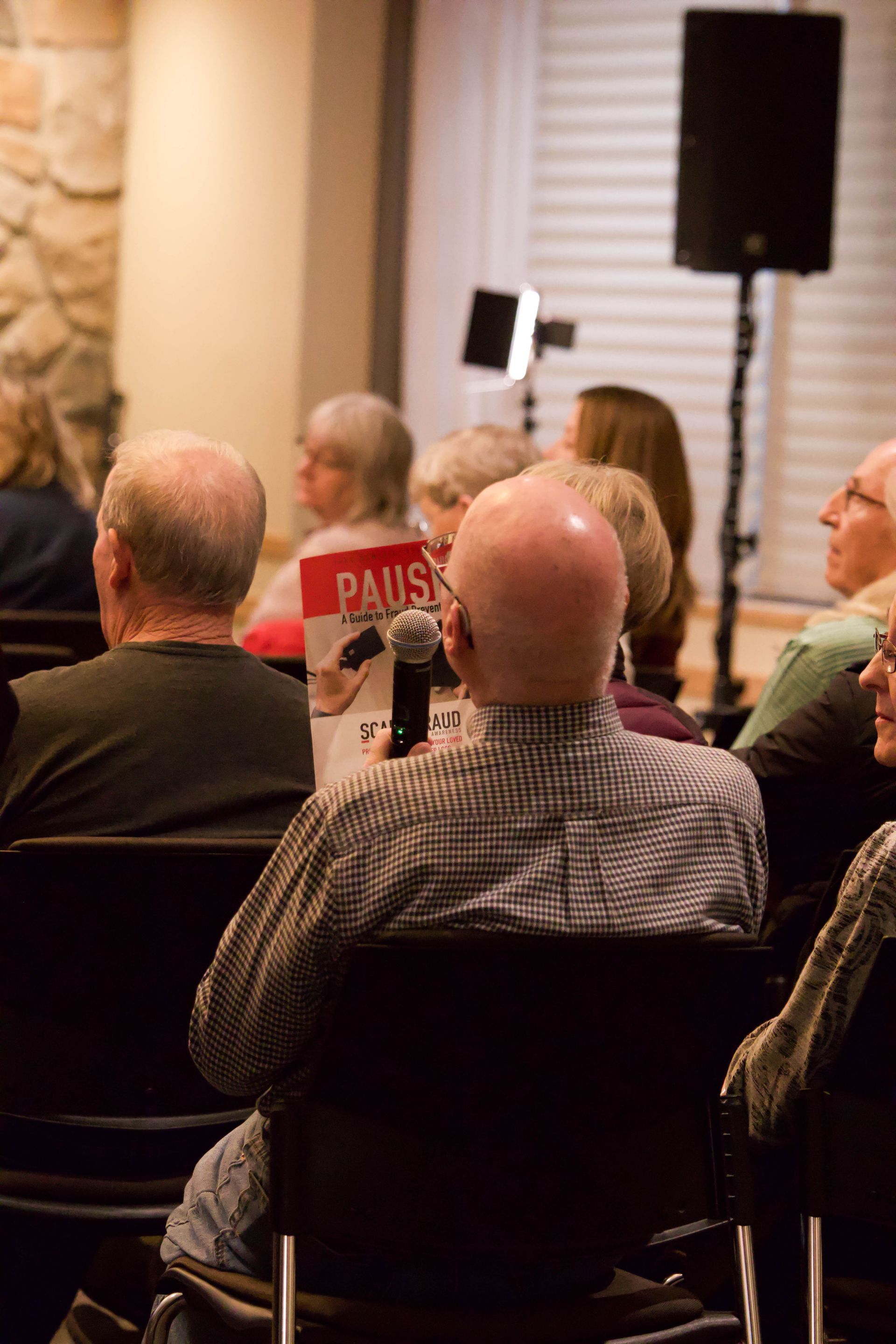
Scam & Fraud Awareness: Protecting Yourself and Your Loved Ones Before and After Loss. She covered the tactics fraudsters rely on, the warning signs that are easy to miss, and the practical steps that can stop a loss before it happens. Guests asked questions and raised their own concerns throughout the evening.
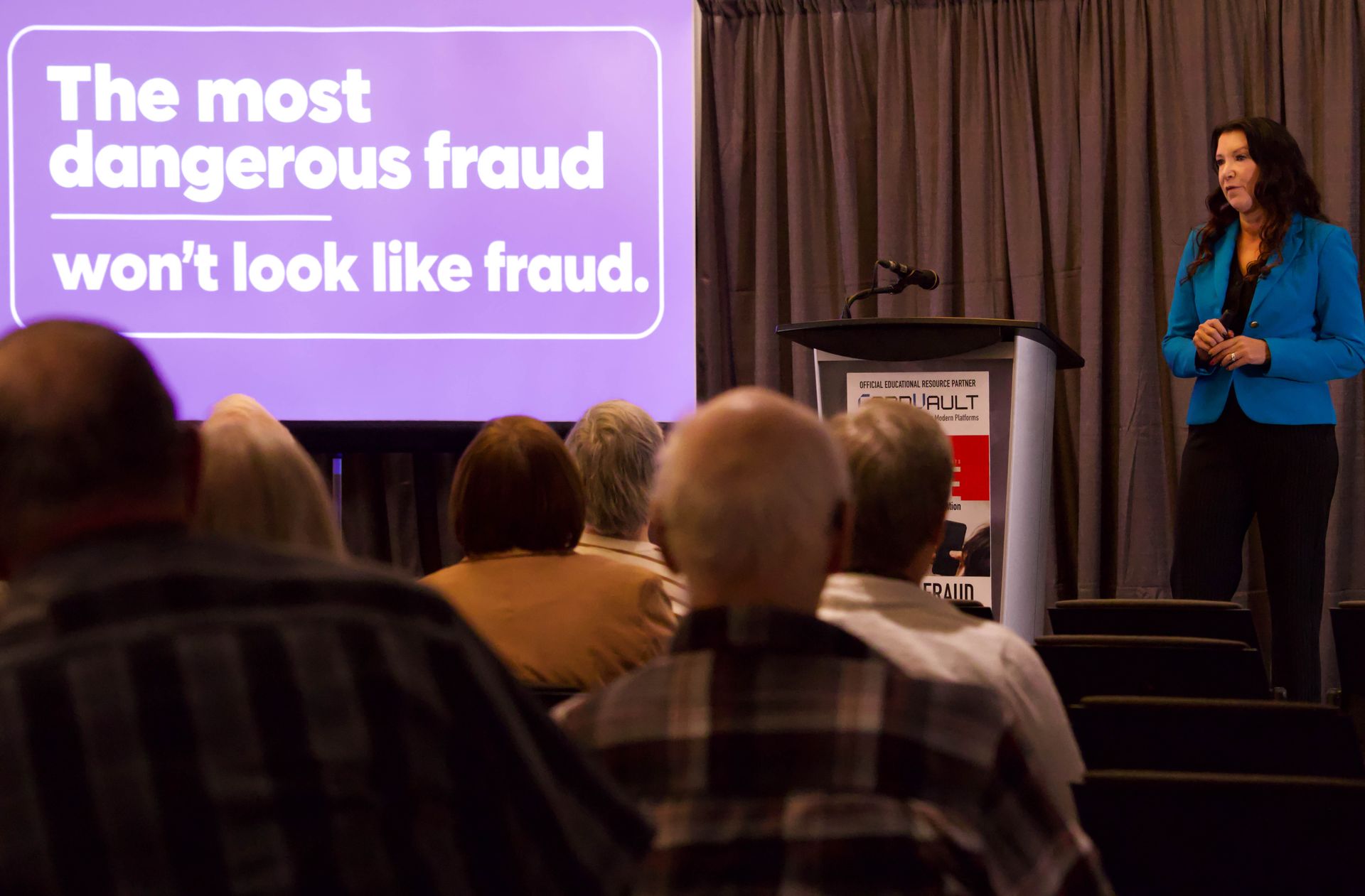
Fraudsters rarely look the part.
Many of us picture a scammer as someone obviously shady. Julie showed that the reality is different. Fraudsters can sound professional, patient, and helpful. They may know your family members’ names, claim to represent an organization you recognize, or call from a number that looks legitimate. They build trust using publicly available information, technology, and a well-rehearsed story, and only then make their request.
The session covered:
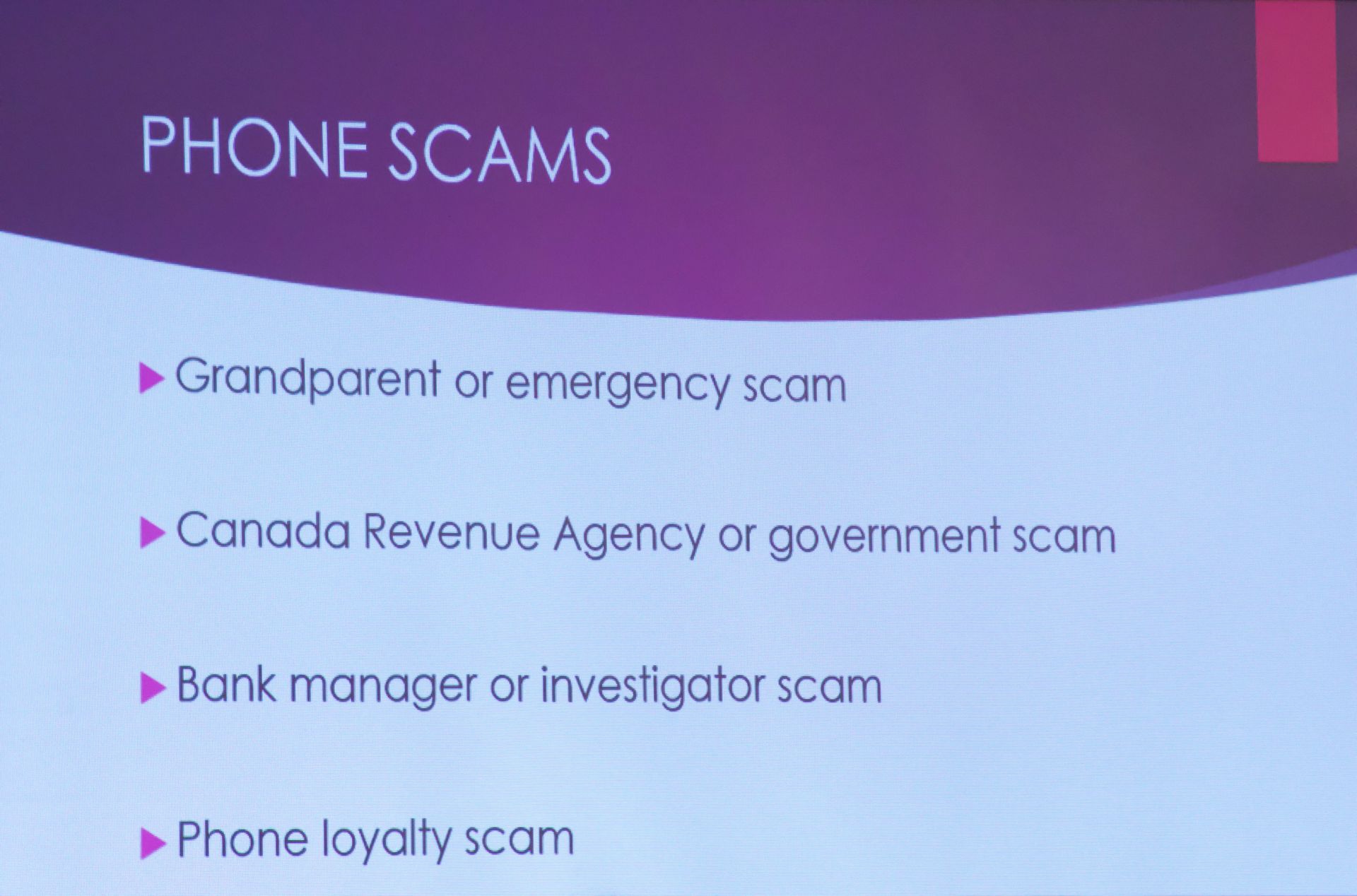
• Phone and government impersonation: Callers posing as bank representatives, investigators, or Canada Revenue Agency officials, sometimes disguising the number that appears on caller ID.
• AI voice cloning and family emergency scams: A convincing copy of a loved one’s voice, used to create panic and push someone into sending money.
• Online and social media fraud: Scammers collect what people share publicly and use it to make a fraudulent message feel personal.
• Fraud after a death: False requests for payment, misleading messages, and fake funeral livestream links aimed at grieving families.
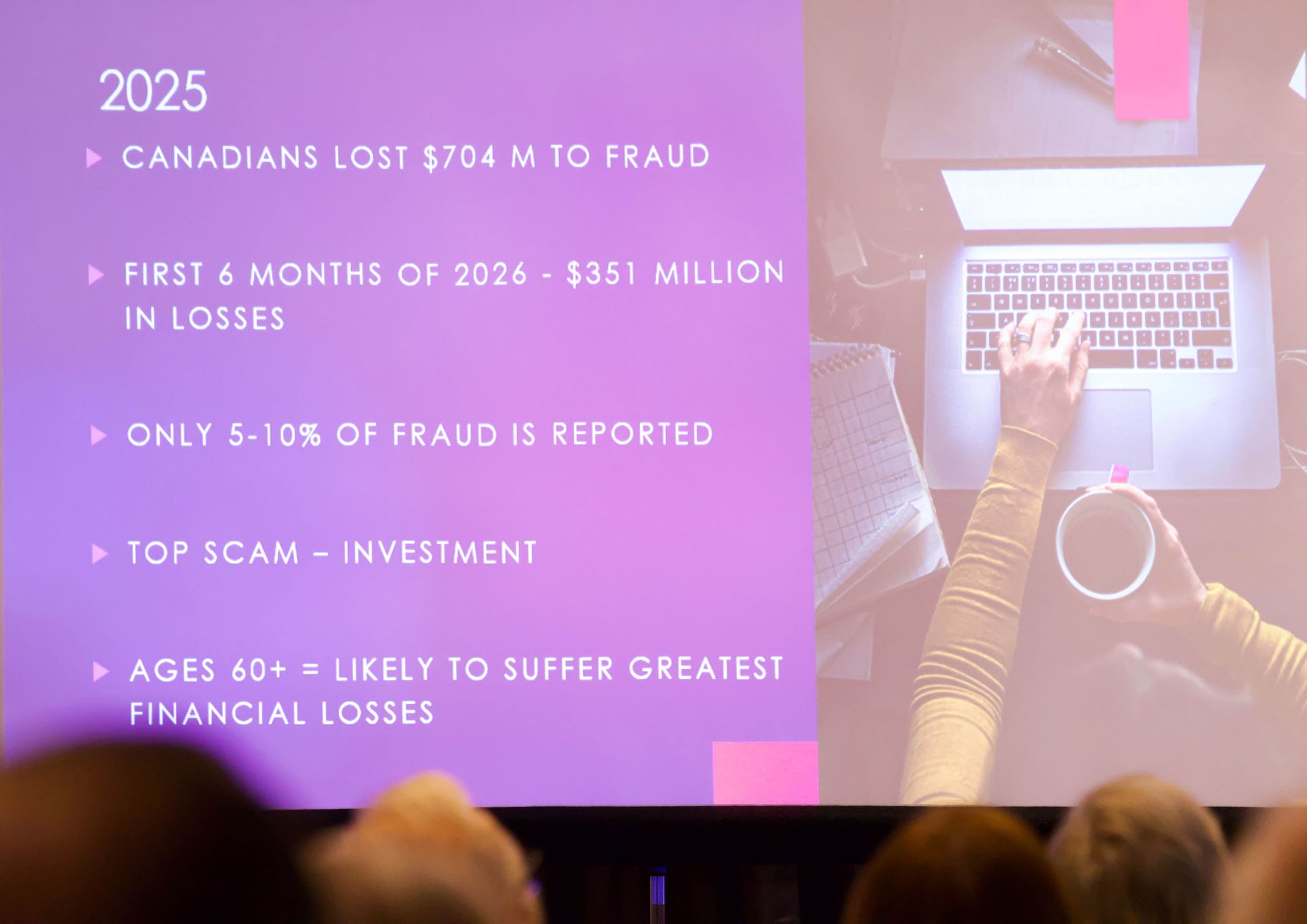
Anyone can be targeted, and these scams are getting harder to spot.
Why this matters to families in grief.
After a death, families take on unfamiliar work: paperwork, financial decisions, and calls to organizations they have never dealt with. They need information they can trust. Criminals know this too.
Julie explained how details in an obituary can give a fraudster family relationships, funeral arrangements, and the raw material for a believable story. She also described the growing problem of fake funeral livestreams, where scammers pose as legitimate memorial service providers and send family and friends to fraudulent websites or payment requests.
For us, caring for a family doesn’t end when the arrangements are made. We want families to know what a suspicious request looks like and to feel comfortable asking questions before they act.
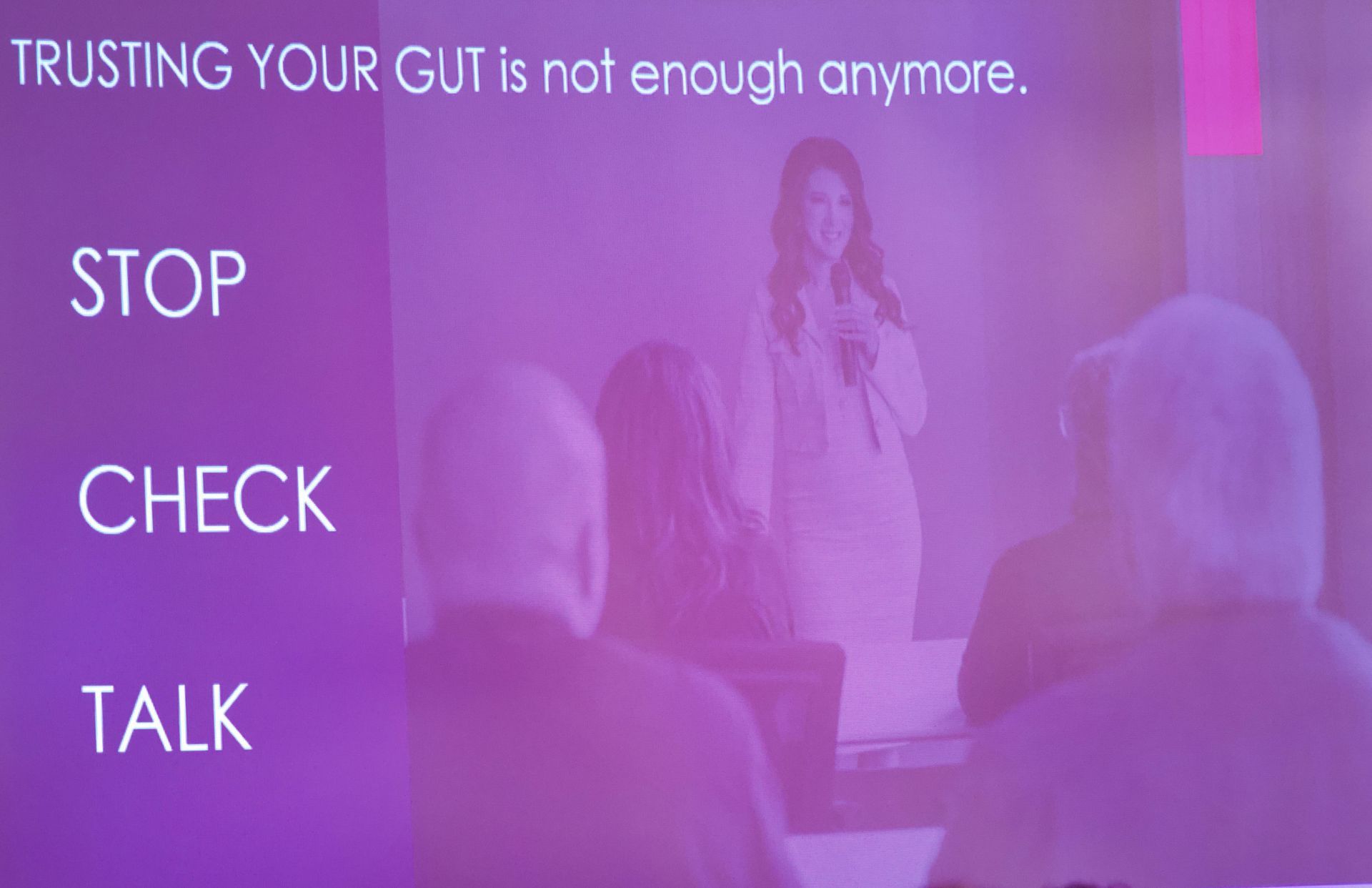
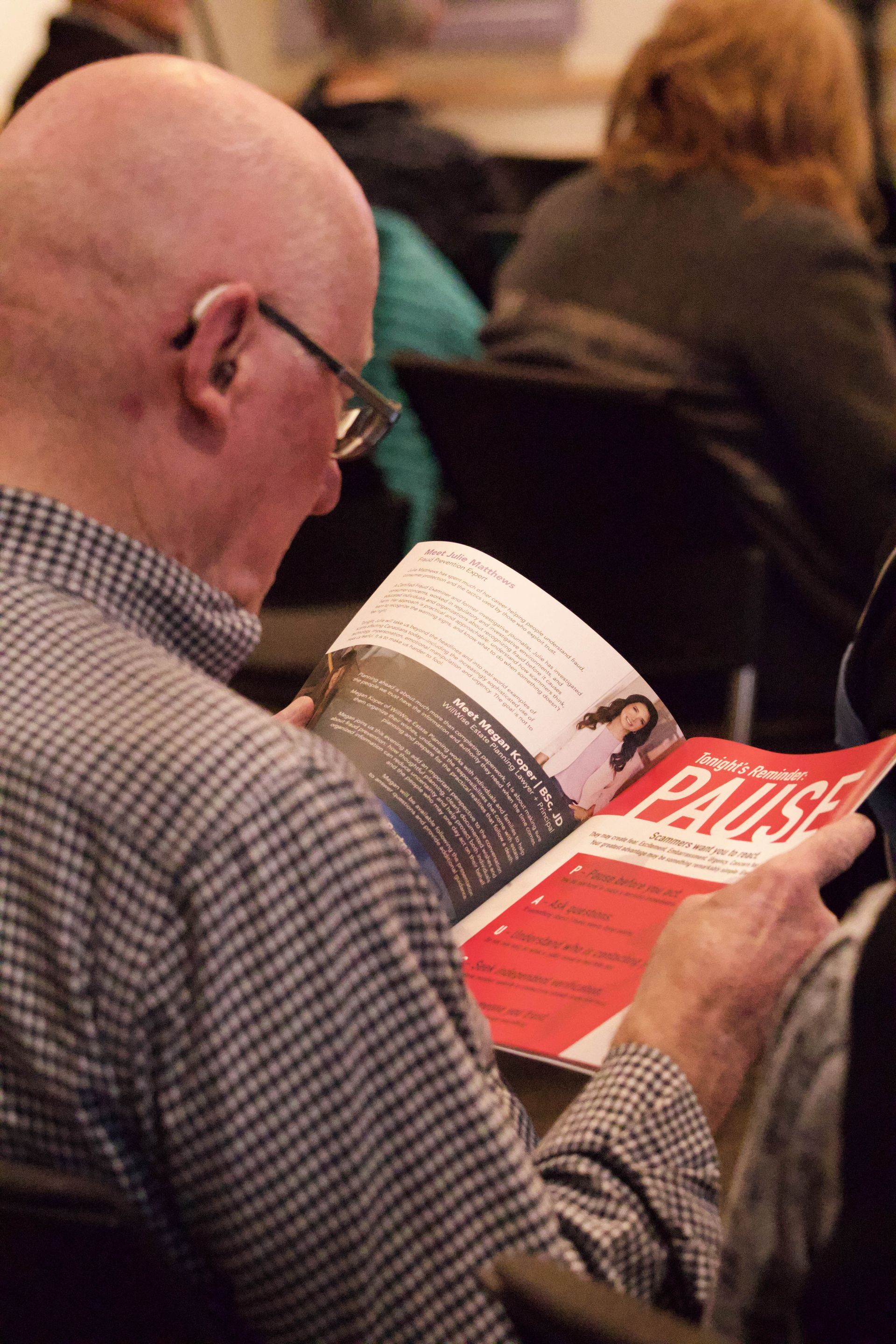
PAUSE before you respond.
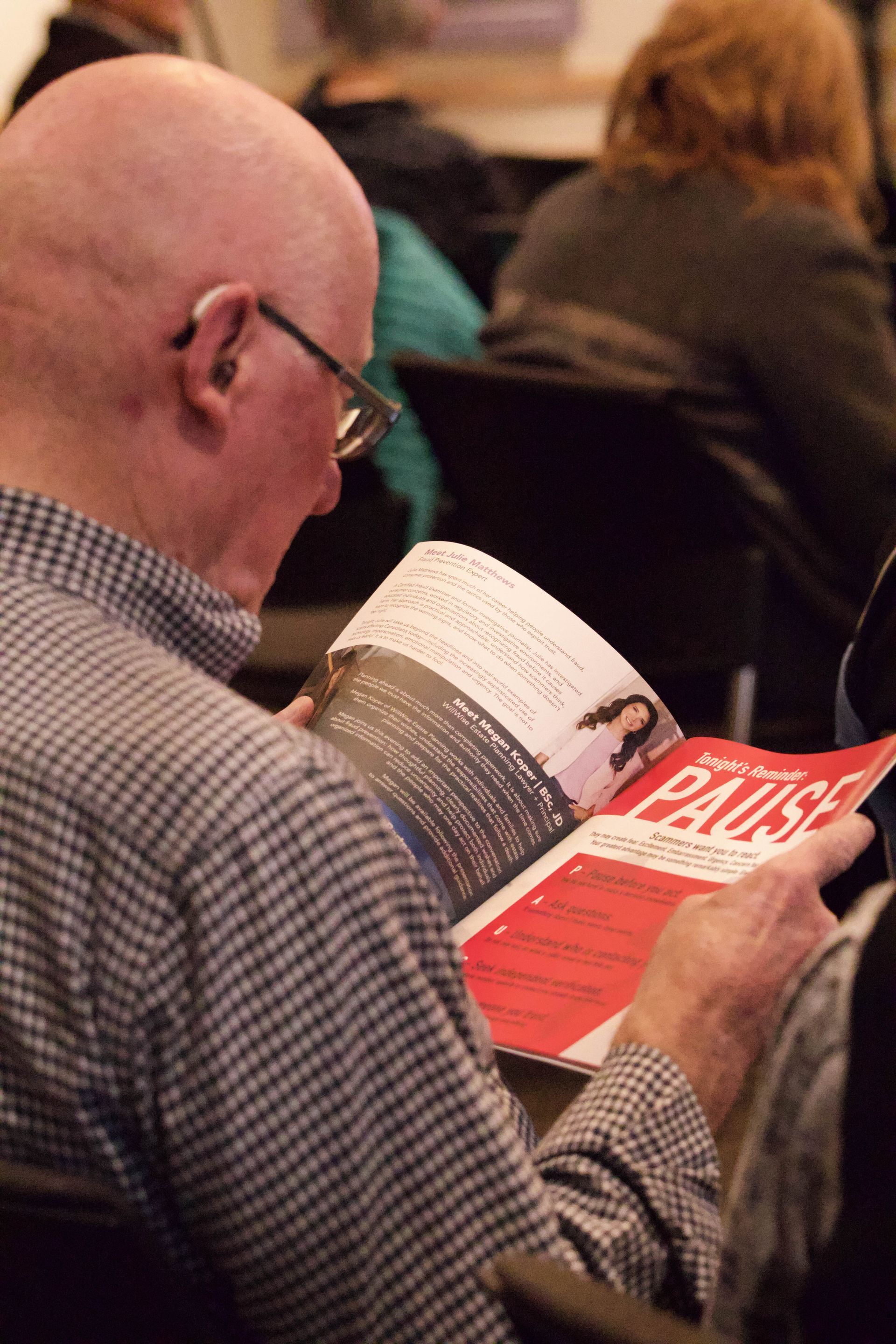
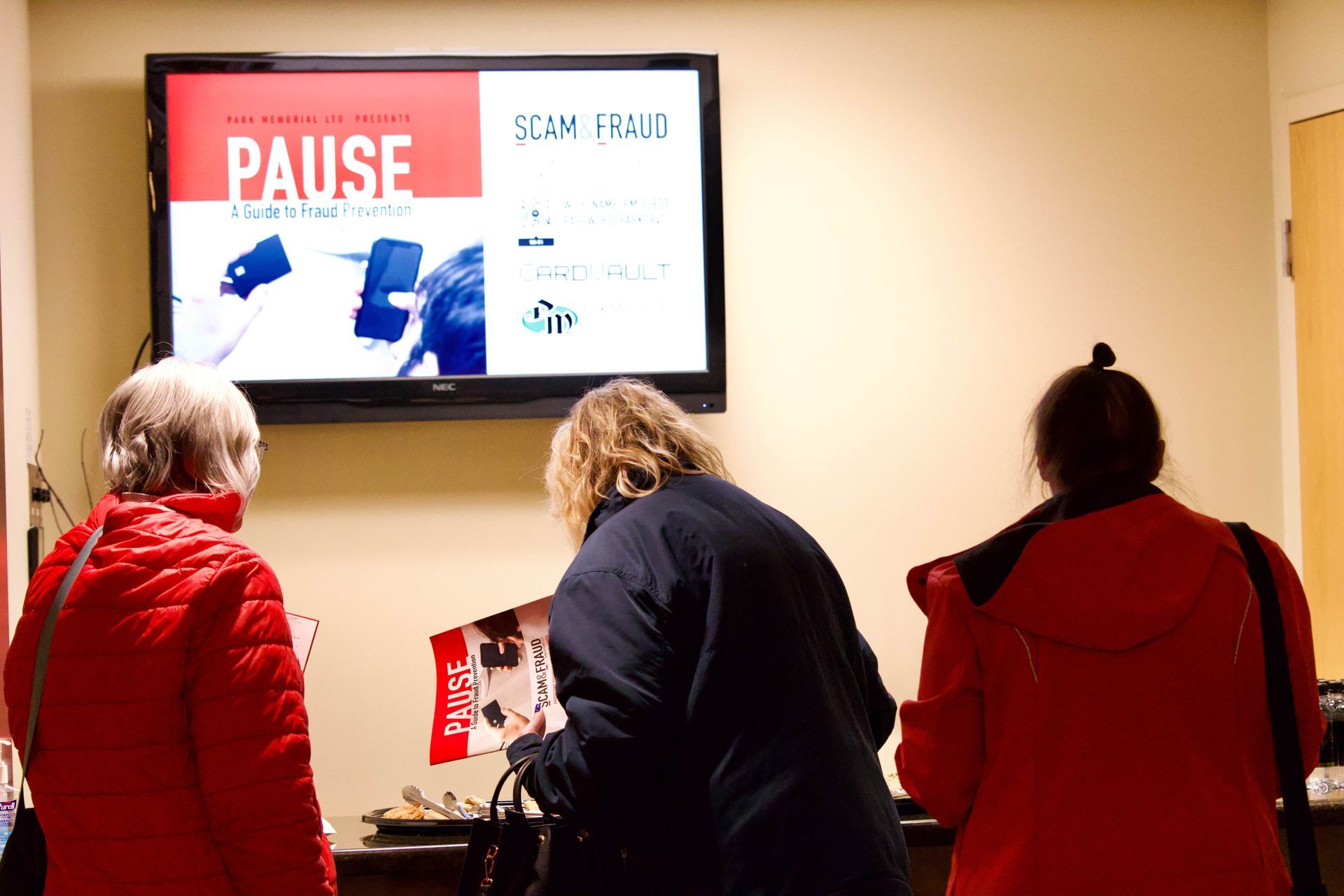
Every guest took home PAUSE: A Guide to Fraud Prevention, which we created to help people spot warning signs and make safer decisions. Its central idea is that you can stop and verify before you respond.
If someone contacts you unexpectedly and asks for money, personal information, passwords, or immediate action:
• Hang up, then contact the organization using a phone number you looked up yourself.
• Talk it over with someone you trust.
• Consider setting up a family safe word so you can verify an unexpected emergency call.
A familiar name, number, or voice no longer proves a request is genuine. Fraudsters depend on urgency and fear, and a few minutes spent checking the facts can break that pressure.
Thank you!
We are grateful to Julie Matthews for sharing her knowledge and giving guests advice they could put to use right away. Thank you to CardVault, our Official Educational Resource Partner, whose sponsorship helped make the evening possible, to Megan Koper of WillWise for lending her wills & estate expertise to the event, and to our community partners Drive Happiness and Home Instead.
Thank you, also, to everyone who came and made time for this important fraud prevention conversation.
Missed it? The recording is on its way.
If you couldn’t join us in person, you’ll soon be able to watch a recording of the presentation for $10. Half of every purchase to access ($5) will be donated to Drive Happiness, which helps people stay connected to their communities through accessible transportation.
Watch our website and social media channels for the announcement when the recording is available.
Because protecting ourselves and the people we love starts with knowing what to watch for — and remembering that it's always okay to pause.