
Presented by


Wills, Estates, & Final Wishes
What families need to know — before and after a loss.
Navigating wills and estates can feel overwhelming — especially during difficult times.
Real answers to the questions people don’t think to ask — until they need them most.
Why this matters:
Most families don’t struggle with one big task after a loved one dies.
It’s the accumulation of small unknowns — paperwork, decisions, responsibilities — all arriving at once. And when you’re grieving, even simple steps can feel overwhelming. This resource is here to bring clarity to those moments — so you’re not left trying to figure everything out on your own.
Watch the series:
These conversations were created in partnership with estate professionals to walk through what actually happens — not just in theory, but in real life.
You can watch each session at your own pace — whenever you’re ready.
Episode 1
What happens if someone dies without a will?
• Who makes decisions
• How assets are handled
• What families are often surprised by
Episode 2
Choosing the right executor
• What the role really involves
• Common mistakes families make
• How to choose someone who can manage the responsibility
Episode 3
Probate: myths VS reality
• What probate actually is
• When it’s required
• What slows things down
Meet the legal professionals behind this series:

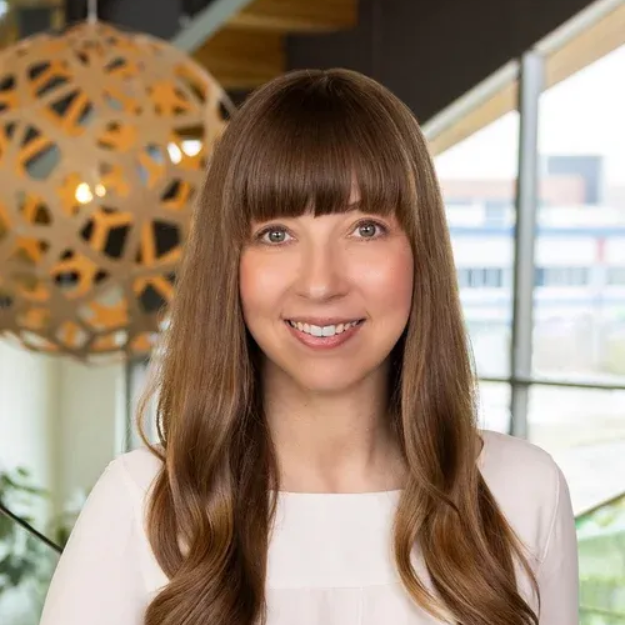
This series was developed in collaboration with WillWise Estate Planning, led by estate lawyer Megan Koper.
It’s shaped not only by legal expertise, but by the hands-on experience of Park Memorial’s Aftercare Specialists — who guide families through what actually needs to be done after a death. That combination helps make these conversations clearer, more practical, and grounded in real life.
Because understanding what’s ahead isn’t just about information… it’s about feeling more prepared when the time comes.
More about Megan Koper
Megan Koper
Estate Lawyer, WillWise
• Focuses on wills and estate planning
• Helps individuals and families make informed decisions about their future
Common questions:
Questions we hear every day.
These are the kinds of questions that often come up after a death — sometimes quietly, sometimes urgently.
What's the first thing I need to do after someone dies?
In the first few days, focus on just a few key steps:
• Contact a funeral home
• Notify close family and friends
• Locate the will (if there is one)
• Begin gathering important documents
You don’t need to do everything at once.
The early steps are about getting support in place and understanding what comes next.
Can I start making arrangements before the will is found?
Yes.
Funeral arrangements can move forward before the will is located or read.
In Alberta, the funeral home is legally required to follow a specific order of priority when determining who has the authority to make arrangements.
This typically begins with:
• the executor named in the will
• then a spouse or partner
• followed by adult children, parents, and other next of kin
If the will hasn’t been found yet, arrangements can still proceed — but they must be made by the person who has legal authority within that order.
If wishes are known, they can help guide decisions.
If not, families make the best decisions they can with the information they have.
Who is responsible for closing accounts?
In most cases, this falls to the executor named in the will.
That person is responsible for:
• contacting banks, credit cards, and service providers
• providing required documents (like a death certificate)
• closing or transferring accounts
If there is no will, an administrator is appointed to take on this role.
For many people, the hardest part isn’t the responsibility itself — it’s knowing who to contact first, and what each organization requires.
Does a death certificate give access to everything?
No. A death certificate is an important document, but it doesn’t automatically grant access to accounts or authority to act.
It’s the document that allows things to begin.
What it does do is:
• confirm the death to banks, government agencies, and institutions
• allow conversations and processes to begin
To actually act on accounts, you’ll typically need:
• proof of your role as executor (or administrator)
• and in some cases, probate documents
What documents will I need as an executor?
You’ll likely need:
• death certificates
• the original will (if there is one)
• identification
• financial records and account information
Each institution may ask for something slightly different, which is why keeping everything organized early can help.
Can accounts be frozen after death?
Yes — in many cases, accounts are temporarily frozen once a death is reported.
This helps:
• protect the estate
• prevent unauthorized access
The executor can then work with each institution to:
• close accounts
• transfer funds
• or settle outstanding balances
What happens if there is debt?
Debt is paid from the estate, not from family members personally (in most cases).
This means:
• debts are settled using the deceased’s assets
• things like loans, credit cards, and taxes are addressed before distributions
If there isn’t enough money in the estate to cover everything:
• some debts may go unpaid
• family members are usually not responsible, unless they co-signed or jointly held the debt
Do I need a lawyer to settle an estate?
Not always — but many people choose to work with one.
A lawyer can help:
• determine if probate is required
• prepare court documents
• guide the executor through legal responsibilities
For simpler estates, some executors manage parts of the process themselves.
For more complex situations, legal guidance can save time and stress.
What is probate, and will I need it in Alberta?
Probate is a legal process that confirms:
• a will is valid
• the executor has authority to act
In Alberta, probate may be required if:
• there are significant assets
• financial institutions request it
• or ownership needs to be legally transferred
Not every estate needs probate — but many do, depending on the situation.
How long does the process take?
There’s no single timeline — but most estates take several months to over a year to close.
Timing depends on:
• whether a will is in place
• if probate is required
• how many accounts, assets, or properties are involved
• how quickly documents can be gathered and processed
Even straightforward estates take time, because many steps depend on external institutions and approvals.
Two full-time aftercare specialists — here for you.
We are proud to offer something truly unique in funeral service: two full-time Aftercare Specialists, dedicated specifically to supporting families after the funeral.
Our Aftercare Specialists walk alongside you as you navigate the many forms, applications, notifications, and cancellations that may be required after the death of a loved one — helping make a complex process feel clearer, more organized, and more manageable.
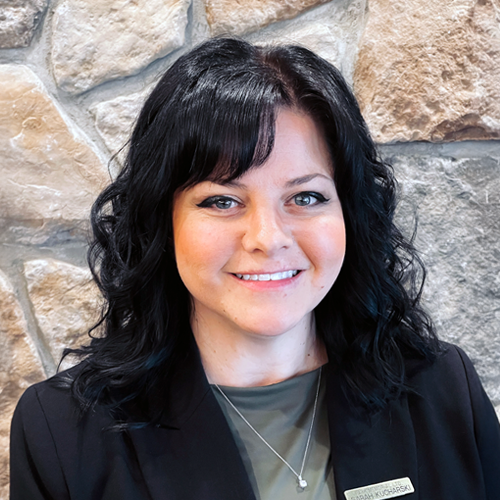
Sarah
Kucharski
Licensed Preneed & Aftercare Specialist
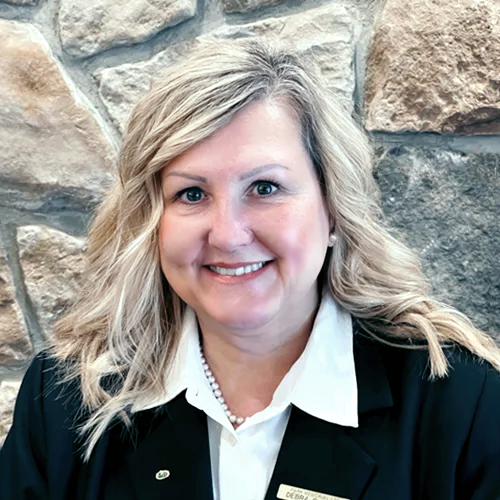
Debra
Phillips
Licensed Preneed & Aftercare Specialist
Commissioner for Oaths
Aftercare support is part of how we care for families.
With two specialists serving families full-time, our goal is simple: you shouldn’t have to figure this out by yourself.
Park Memorial is a full-service funeral home, and our aftercare support is an extension of that service. Families we serve are provided access to guidance with documentation and executor responsibilities, along with ongoing support — even months later when questions arise.
Program details may vary depending on the type of arrangements selected.
Executor First Steps Checklist
A gentle guide for what comes next:
If you’ve been named as an executor, you may be wondering where to begin. There is no single “right” order for everything that follows — but there are a few early steps that can help bring some clarity. Take this one step at a time.
IN THE FIRST FEW DAYS
☐ Contact a funeral home
☐ Locate the will and other important documents
☐ Notify close family and friends
☐ Locate any will or important documents (if available)
INITIAL ADMINISTRATIVE STEPS
☐ Confirm who the executor / person of authority is (if not already clear)
☐ Secure property, home, and valuables if needed
LEGAL & ESTATE STEPS
☐ Consult with a lawyer if needed
☐ Determine if probate is required
☐ Begin gathering required documents
☐ Keep records of all actions taken
NOTIFICATIONS
☐ Notify banks and financial institutions (this will require an appointment to be made by executor)
☐ Complete CPP Death Benefit / Survivor’s Benefit forms as applicable (our Park Memorial Aftercare Specialists can help with these)
☐ Notify life insurance policy providers (eg. SunLife, Canada Life, etc.)
☐ Notify pension providers about the death
PRACTICAL SUPPORT
☐ Ask for help — you don’t have to do this alone
☐ Take breaks when needed
☐ Keep a simple notebook or file of what’s been done
A gentle reminder:
This process takes time.
Not everything needs to be completed right away. Some steps will unfold gradually.

Our support continues
beyond the practical.
Legal and administrative steps are only part of what families carry. Grief doesn’t follow a checklist.
We offer ongoing community grief support events, including:

These spaces are here for you — quietly, gently, and without expectation.
Share Your Experience
Many families discover our resources and support services through the experiences shared by others.
If you’ve found comfort, clarity, or guidance through Park Memorial, we would be honoured if you chose to share your experience.
You don't have to navigate this alone.
Whether you have a question, need guidance, or simply don’t know where to start — we’re here.
At Park Memorial, we support families not just during the service — but in the days and weeks that follow.
If you need guidance with any of these steps, we are here to help.
CONTACT US
Do you have questions about our Wills, Estates, & Final Wishes event?
Contact us today and we will promptly answer your questions.
TSW Contact Form
TALK TO AN EXPERT
We are always here to answer your call.
Our Public Relations team will answer your questions about our aftercare events.
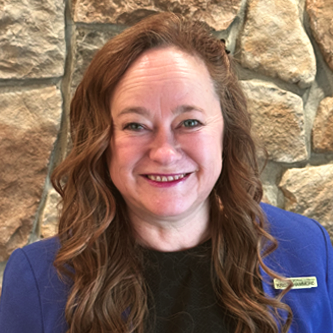
Kristi Hammond
Public Relations Coordinator